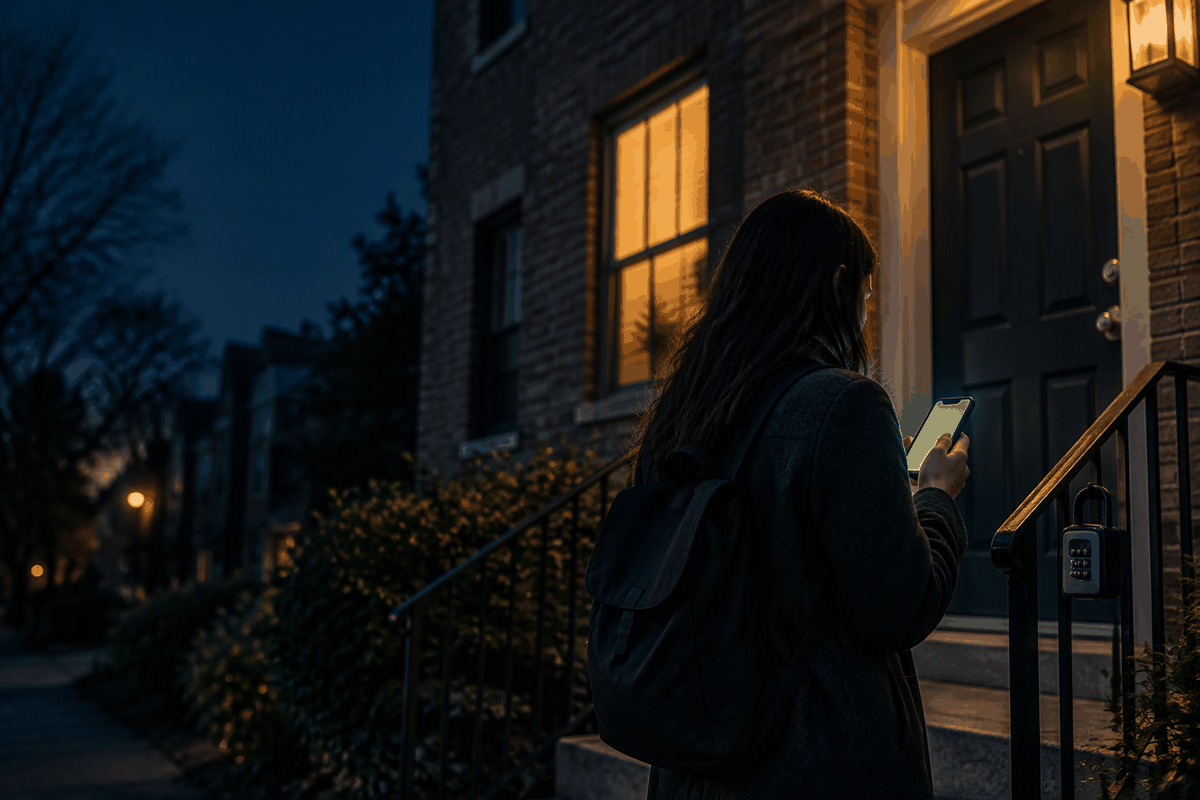
The apartment is in the right neighborhood. The rent is a couple hundred below what similar places go for. The landlord answers within minutes, friendly and a little rushed. They're out of the country right now, so they can't show it in person, but if you send a deposit today they'll hold it for you.
That's the whole script. It works because the person on the other end sounds exactly like someone who is just busy.
Why so many people get caught
The FTC says people have filed nearly 65,000 rental scam reports since 2020, with about $65 million in losses, and that most scams never get reported at all. In the 12 months ending June 2025, about half of the people who reported one said it started with a fake ad on Facebook. Another 16% said Craigslist. Adults 18 to 29 were three times as likely as other adults to report losing money, which fits with how much of the search for sublets and campus-area housing happens in Facebook groups where everyone is in a hurry.
The FBI's Internet Crime Complaint Center logged 12,368 real estate fraud complaints in 2025, with reported losses above $275 million. That category covers more than rental ads, so it isn't a rental-only number. It does show how big the problem is.
The photos are real, and that's the trick
Scammers rarely build a fake apartment. They copy a real one. The photos and details come from a legitimate listing for a home that's for sale or for rent somewhere else, and the scammer reposts it with their own contact information and a lower price. The real owner often finds out when a stranger calls asking about a rental they never advertised.
That also means the scam leaves a trail, and you can follow it in a few minutes.
Five checks before you send anything
First, search the full street address. If the same home shows up listed for sale, or listed for rent with a different price or a different contact, you've found the original and the copy.
Second, run a reverse image search on two or three of the photos. Save them and search the image itself. If they appear on another listing, a real estate site, or a vacation rental page in a different city, that's your answer.
Third, look up the actual owner. Most counties publish property records online, usually through the assessor or recorder's office. The name on the record should match the person you're talking to. If they say they're a property manager, find the management company's real website and phone number yourself and call to ask whether the unit and the person exist.
Fourth, compare the rent to similar places in the same area. The FTC says a price much lower than comparable rentals can be a sign of a scam. A slightly good deal happens. A deal that makes you do a double take is bait.
Fifth, look at how they want the money. A deposit before you've seen the place, a wire, gift cards, crypto, or a payment app are all hard or impossible to get back. A real landlord can usually accept something with a paper trail and will let you read a lease before you pay.
What a video tour does and doesn't prove
A video walkthrough feels like proof. It isn't. The FTC warns that even a virtual tour doesn't guarantee a home is available to you, because anyone can record or reuse a walkthrough of a place they don't own. The only thing that settles it is seeing the unit in person, or having someone you trust go for you. If the person can't do a showing and can't give you a reason you're able to verify, treat that as your answer.
Two other signals are worth knowing. One is a listing that vanishes right after you ask a hard question while the "landlord" keeps messaging you privately. The other is a request for your Social Security number, a copy of your driver's license, or bank details "to process your application" before you've seen the place. The FTC notes that fake listings are also used to collect personal information for identity theft.
If you already sent money
Move fast. Call your bank or payment app and tell them it was fraud. A card payment can be disputed, and a bank may be able to attempt a recall on a wire, but both work best in the first hours. Report it at ReportFraud.ftc.gov and ic3.gov. If you handed over your Social Security number or ID, a free credit freeze at the three bureaus is worth doing today. None of this guarantees you'll get the money back, but waiting only makes it worse.
Check it before you pay
If a listing already feels slightly off, that instinct is the whole point of the checklist above. Run it before you send a deposit, sign a lease, or share an ID. Our free Rental Listing Fraud Investigator runs these checks for you, and nothing you submit is stored.
Scamanot provides information to assist your own judgment. We do not guarantee the accuracy of findings or the legitimacy of any entity investigated.
Not sure if something is a scam? Run it through Scamanot — free investigations available, no account required.
Investigate Something Now